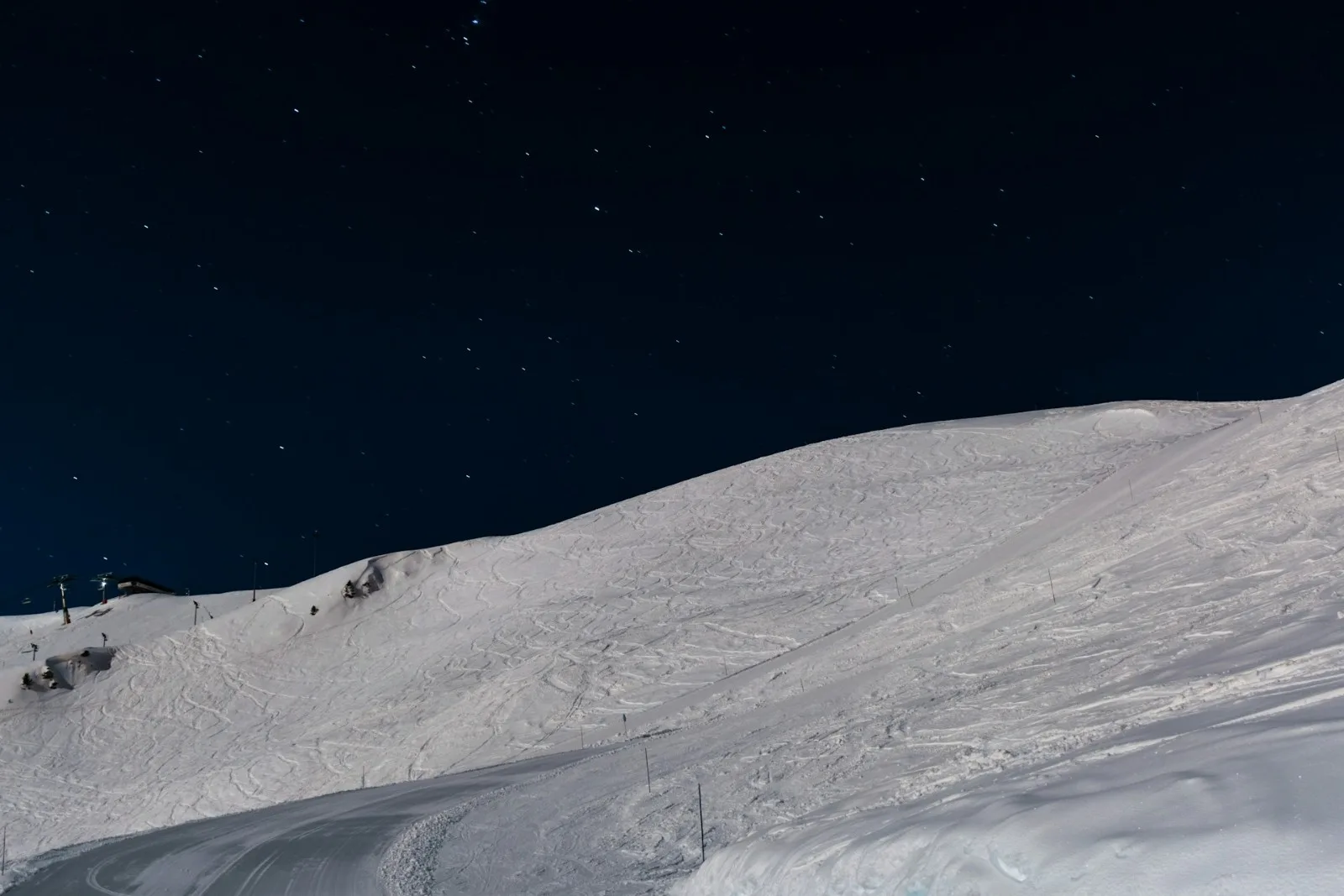
Night skiing is becoming increasingly popular. The quiet atmosphere, crisp winter air, and illuminated slopes create a unique ambiance. To fully enjoy skiing after dark, it is worth preparing properly.
Is night skiing different from skiing during the day?
The rules of the slope remain the same, but there are several key differences. The first is lighting. Artificial floodlights can be dimmer than daylight, and cast shadows can make it harder to spot bumps and terrain variations. Choose slopes that are evenly illuminated and well-groomed for evening sessions.
The second difference is temperature. Evenings are typically colder, making proper layering even more critical: dress in layers, wear warm gloves, and put on high-quality ski socks. On the upside, there are fewer skiers on the runs, which means more tranquility and extra space to practice.
How to learn to ski to feel confident at night?
Sound technical preparation builds confidence. Learning with an instructor not only helps you master the fundamentals, but also teaches you how to respond to varying conditions, such as lower visibility or changing snow textures.
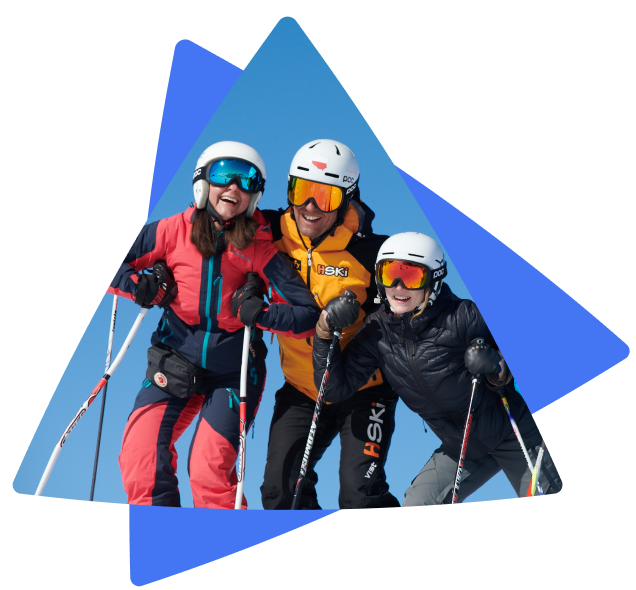
Beginners should start on gentle, wide slopes. Skiing at dusk is great practice before heading out for a full night session. If you are just starting out, join us for private lessons, where we focus entirely on your needs. More experienced skiers can refine their technique through our adult courses.
What should you keep in mind before night skiing?
First, inspect your gear. Properly tuned skis, correctly set bindings, and sharpened edges provide vital edge hold on hardpack evening snow. Bring goggles with low-light, clear, or yellow-tinted lenses rather than dark daytime sun lenses.
Dress appropriately. It is worth adding reflective elements to enhance your visibility on the slope. For longer sessions, heated gloves or boot warmers can be very helpful. Always check the weather forecast, as incoming snowfall or heavy wind can quickly disrupt your plans.
Remember to stay hydrated and have a light meal beforehand. You may feel less thirsty in cold temperatures, but your body still loses moisture, and dehydration drains energy. Steer clear of heavy, greasy meals.
Night skiing is a memorable experience, especially if you appreciate peaceful runs and the magic of floodlit slopes. Proper preparation, equipment, and clothing will let you make the most of it. Safety is always paramount, and with an HSKI instructor, you will feel confident at any hour of the day.