Wondering where to begin your winter sports adventure: skiing or snowboarding? We explain which is easier to master at first, and which to choose if you are looking for stronger thrills.
Who is learning to ski for?
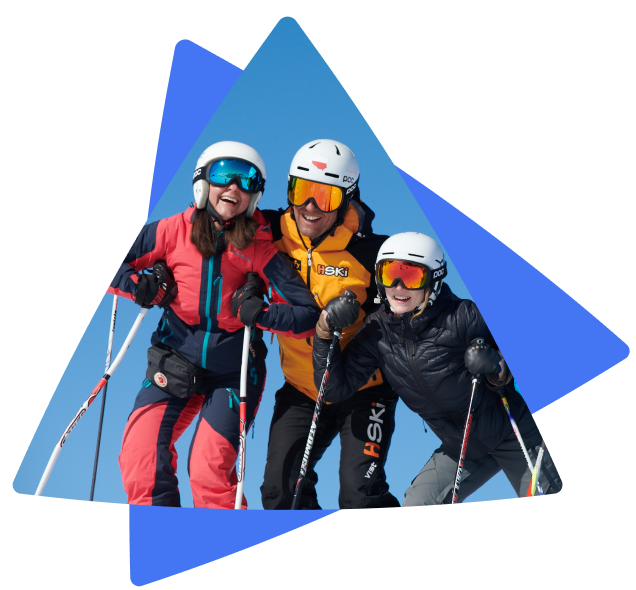
Skiing is ideal for people who value stability and a gradual introduction to technique. Thanks to independent leg movement and facing forward in the direction of travel, beginners usually feel confident faster. For children especially, skiing is more intuitive and allows them to master the basics more quickly. Sessions at the Penguin Club, combining learning with snow-filled fun, offer a fantastic start for little ones. Skiing is also great for adults who want greater control over speed and an easier way to come to a stop.
Who should choose learning to snowboard?
Snowboarding is a great choice for those who love a challenge. For teenagers and adults who skateboard or wakeboard, it is a natural extension of their passion. Anyone who enjoys dynamic riding and wants to try tricks will feel right at home with snowboard lessons with an instructor. It is also an activity that heavily engages the entire body, including the abdominal and back muscles. The first few days on a board can be tougher than on skis, but progress often comes quickly after that.
What is slope accessibility like for skiers and snowboarders?
Most resorts groom their slopes so that participants of both disciplines can enjoy them. However, skiers have an easier time on flat sections and cat tracks, which is convenient for beginners. Snowboarders, on the other hand, appreciate snowparks with features designed for learning tricks. In narrow passages and on flat run-outs, skiers typically feel more confident than snowboarders.
Learning to ski and snowboard vs. injury risk
Both disciplines carry a risk of injury, but the types of injuries differ. In skiing, knees are affected most frequently, especially ligaments when a leg twists during a fall. Snowboarders are more prone to wrist and shoulder injuries. Proper equipment reduces the risk: a helmet, wrist guards, and back protectors. In both cases, warming up and gradually progressing to more difficult slopes is essential. Learning with an instructor helps avoid technical mistakes that lead to injuries. Also read how to fall properly on skis.
The choice should depend on personal preferences and fitness levels. Skis are usually easier for those first steps on the slope, while snowboarding is an excellent choice for fans of dynamic riding. Regardless of your choice, we invite you to private lessons at Harenda.