Returning to the slopes after a long break is pure pleasure. However, before fully immersing yourself in skiing, it is worth refreshing a few rules. Safety, technique, and knowing the regulations are the foundation of a successful season.
Right-of-way rules on the ski slope
Universal rules apply on the slopes to protect all skiers:
- The skier ahead of you has priority. If you are skiing faster, it is your responsibility to safely overtake those below you and maintain a safe distance.
- Merging onto the slope. Before setting off after stopping, look uphill to make sure you are not cutting anyone off.
- Overtaking is permitted from any side, but always with enough clearance to give the skier being overtaken ample room to maneuver.
If you are just starting learning to ski and moving slowly, stick to your line. It is the faster skier behind you who must adjust their speed and pass you safely.
Skiing techniques
After a break, it is worth revisiting technical fundamentals. Even experienced skiers forget them over time.
Smooth turns on the ski slope
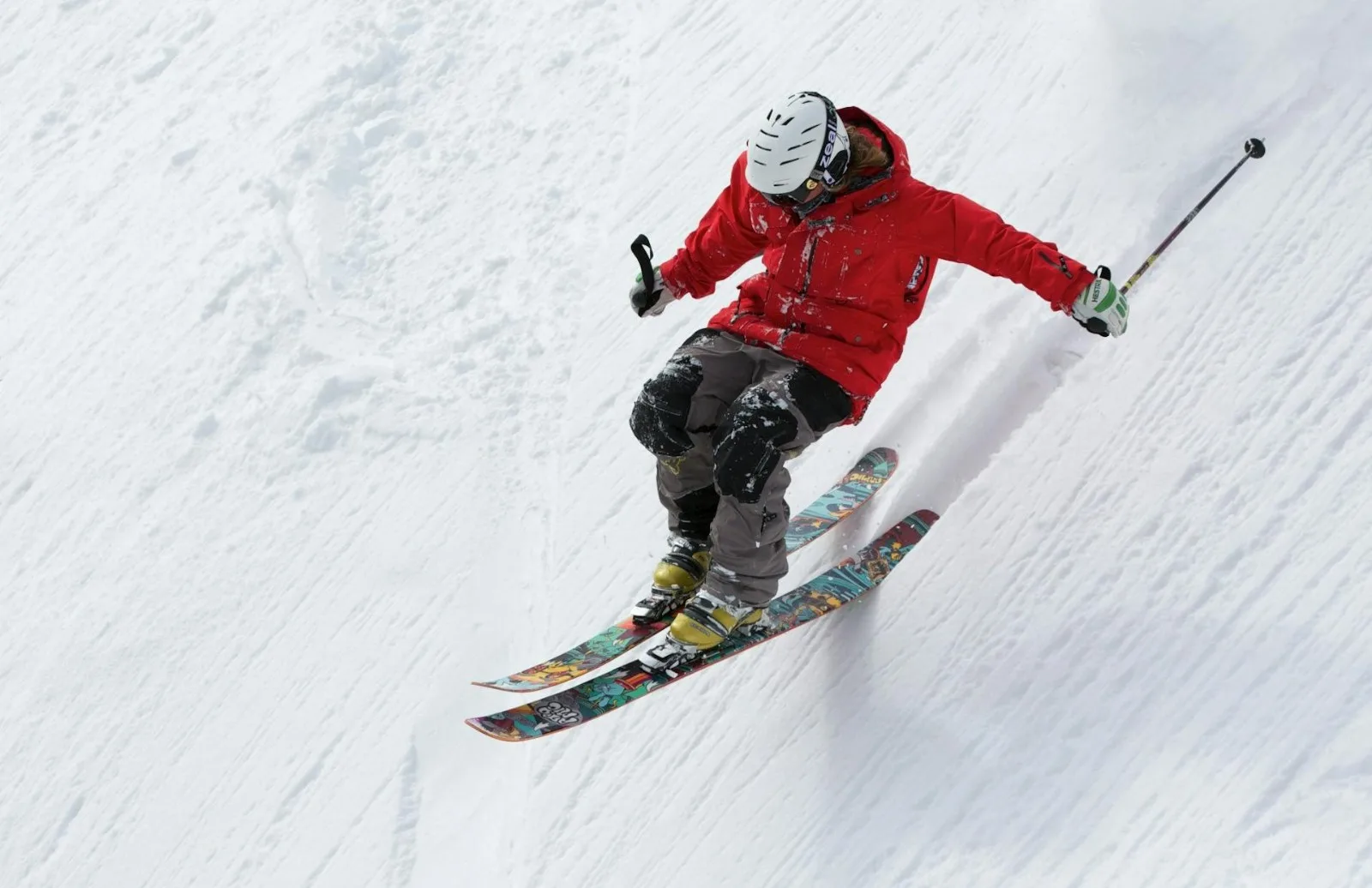
Turns are the foundation of skiing. During a turn, transfer your body weight to the outside ski and guide it on its inside edge. Initiate the movement with your legs, rather than rotating your torso.
Skiing on your edges
To control your speed and maintain stability, engage your ski edges. This is particularly crucial on steep slopes and hardpacked, icy snow.
Speed control on the slope
Match your speed to the terrain conditions and your own skill level. Avoid reckless skiing, especially on crowded runs.
Slope signs and markings
Understanding slope markings is a core element of safety. Even if you handled red runs with ease in the past, start on blue slopes to review the basics and warm up your muscles.
Color-coded slope grading
In Poland and across the Alps, slopes are graded by difficulty: blue (easy), red (intermediate), and black (advanced/difficult). At some resorts, you will also come across green runs, which are the easiest. Pick routes suited to your current ability, especially at the beginning of the season when physical fitness might be lower.
Warning signs and information boards
Pay close attention to signs warning of piste intersections, narrow passages, or areas with limited visibility. Near lift stations, you will find trail maps, current condition updates, and notices about closed runs. Check them regularly to avoid skiing onto dangerous sections.
Ski lift safety
Stay orderly and patient in lift queues. Do not push in, respect the line, and board and disembark promptly so you do not hold up others. Before boarding, keep your skis parallel and hold both poles in one hand. You can read about the guidelines for riding surface lifts in our article on how to ride a T-bar lift safely.
On chairlifts, always lower the safety restraining bar and do not raise it too early. Prepare for unloading well before reaching the top station so you can slide away from the chair smoothly.
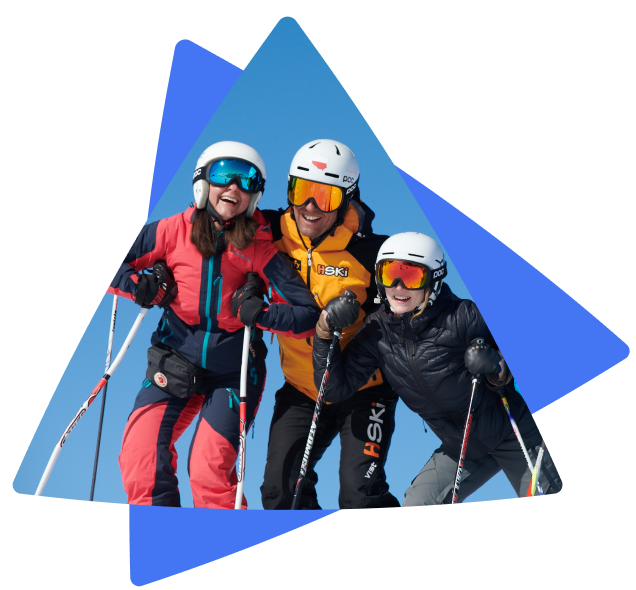
Feel like you could use some guidance to kick off the season? Join us for private lessons and adult courses at HSKI. Our instructors will help you get back into top form in no time.