The snowplough, carving, and short turns are three fundamental skiing techniques. Each works best in different conditions and at different stages of learning. Whether you are just starting out or looking to improve your skiing style, this article is for you. We explain what each technique involves, when to use it, and how to start practicing.
Snowplough skiing
The snowplough is a fundamental skiing technique that most beginners start with, including the youngest skiers in our ski kindergarten. It involves positioning the skis in a V-shape: the tips close together and the tails spread wide apart. This setup allows you to brake effectively and control your speed. It is the ideal starting point for learning, as it helps you build confidence and basic control over your gear before moving on to more advanced techniques.
Although the snowplough is associated with your first days on the slopes, it also comes in handy in more challenging conditions, such as steep or icy sections of a run where you need to reduce speed with precision.
Carving
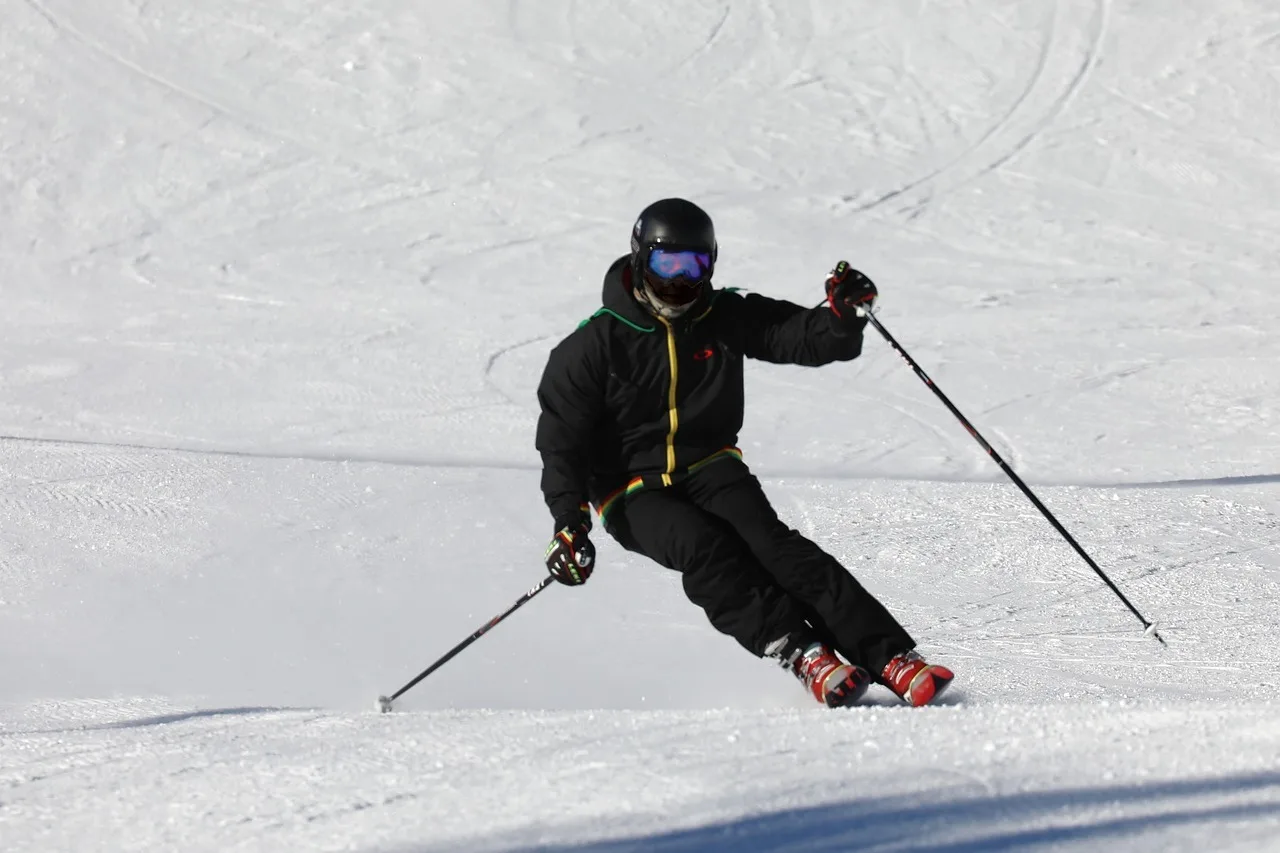
Carving is a technique that has captured the hearts of skiers worldwide. Thanks to shaped skis with sidecuts that make carving an arc easier, skiing becomes dynamic and fluid. In a carved turn, the ski rides on its edge and cuts an arc into the snow rather than skidding. Leaning your body properly into the inside of the turn is crucial, giving the sensation of floating across the slope.
Carving works best on wide, well-groomed runs and is a fantastic choice if you love speed and smooth turns. Our tip for beginners: a sense of balance and ski edge control are what matter most. Start on gentle slopes and only pick up speed once you have mastered the basics. If you want to hone your carving under a coach’s eye, check out our race gate training.
Short turns on skis
Short turns, also known as skidded short turns, allow you to change direction quickly and under complete control. They are exceptionally useful in more demanding terrain where carving might not suffice.
How to master short turns?
- Keep your body centered over your skis.
- Lean forward slightly to maintain edge control.
- Make quick, rhythmic movements with your hips and legs to change direction.
Short turns are an indispensable technique on narrow trails, steep slopes, and in challenging conditions such as moguls or soft snow. To start, practice on a gentle slope, placing reference markers on the snow, such as ski poles. They will help you mark where to initiate turns and find your rhythm.
Can you ski using the same technique on all slopes?
Not every skiing technique works in every condition, which is why it is worth matching your style to the slope type and snow texture. On gentle runs, you can practice carving to perfect turn fluidity, or focus on short turns and the snowplough. On steep slopes, short turns are indispensable, offering precision and full control over your descent. On icy trails and moguls, techniques based on precise, rhythmic movements—such as short turns—work best. In deep powder, on the other hand, smooth weight transfer is essential, allowing you to incorporate elements of carving for stable skiing.
How to master skiing techniques faster?
You make progress fastest with an instructor. A professional coach will tailor drills to your skill level, catch mistakes immediately, and show you how to correct them. At HSKI on Harenda in Zakopane, you can choose private lessons with an instructor or a group course for adults, and we invite children to the Penguin Club.
Whether you are just beginning your skiing adventure or have been skiing for years, knowing different techniques allows you to enjoy every descent to the fullest. The key is adapting your skiing style to slope conditions and your own abilities. See you on the slopes!